 how-to
Carfax Verification for Cars: What It Means
Table of Contents
- What Is Carfax Verification
- How to Read a Carfax Report
- Understanding Carfax Report Damage History
- Checking for Open Recalls in a Carfax Report
- Carfax Report Limitations and What's Missing
- Verification vs. Vehicle History Report: Know the Difference
- Using Carfax Verification to Make Your Purchase Decision
- Frequently Asked Questions
Last Updated: October 11, 2026
What Is Carfax Verification
Carfax verification is the process of checking a vehicle's complete history report to confirm its condition, ownership record, and accident history before purchase. When you verify a Carfax report, you're essentially cross-checking the vehicle's documented past against its current physical state.
Carfax verification gives you access to government records, insurance company data, and service records that paint a clear picture of what a vehicle has been through.
The verification process involves reviewing accident reports, title history, odometer readings, and maintenance records. A clean Carfax report doesn't guarantee a vehicle is perfect, but it does tell you whether the car has been in major accidents, had title issues, or experienced significant damage. Understanding these nuances is essential when you read vehicle history reports to ensure you are making an informed decision about a car's long-term reliability.
How to Read a Carfax Report
Obtaining Your Report
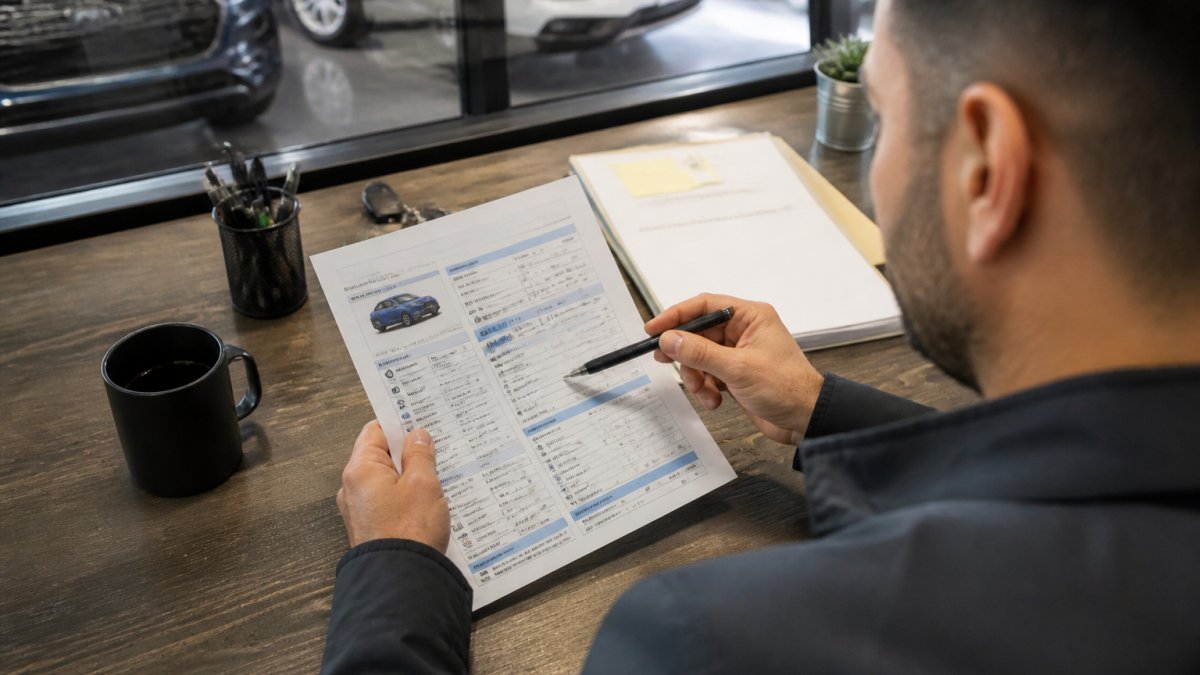
You'll need the vehicle identification number (VIN), a unique 17-character code on the driver's side dashboard. Request a Carfax report from the seller, dealer, or Carfax's website.
Enter the VIN into the Carfax database, and the system compiles the report in seconds to minutes by cross-referencing government records, insurance claims, and service data.
What to Review First
Verify the VIN matches the vehicle's dashboard, registration documents, and seller's listing. A mismatch may indicate title washing or fraud.
Next, check the title status immediately. Look for these designations:
- Clear title: No liens, no salvage history, no major issues.
- Salvage title: The vehicle was declared a total loss by an insurance company. Salvage vehicles have been significantly damaged and may have structural, mechanical, or safety concerns. Repairs must meet strict standards before the title can be rebuilt.
- Rebuilt title: The vehicle was previously salvage but has been repaired and passed inspection. Rebuilt vehicles are legal to drive but carry higher risk and typically lower resale value.
- Lien: Another party (usually a lender) has a financial claim on the vehicle. You cannot own it free and clear until the lien is satisfied.
If you see anything other than a clear title, pause and ask the seller for a full explanation. A salvage or rebuilt title doesn't automatically disqualify a vehicle, but it requires extra scrutiny.
Registration and Ownership History
Check the registration history for:
- Frequent ownership changes in short timeframes: Multiple owners in one to two years may indicate flipping or buyer dissatisfaction.
- Geographic clustering: Single-region registrations suggest consistent weather and road conditions.
- Long gaps: May indicate the vehicle was stored or not reported to Carfax.
Rapid turnover across provinces warrants investigation.
Service and Maintenance Records
Look for consistent intervals (oil changes every 5,000-8,000 km) and major services (transmission fluid, coolant flushes). Gaps may indicate private maintenance or neglect, especially combined with high mileage. Note that Carfax only captures reported shop records; independent mechanics won't appear.
Accident and Damage History
The accident section lists incident type, severity, date, and location. A single minor accident years ago differs greatly from multiple collisions or recent major impacts.
Open Recalls
This section lists unfixed safety issues identified by the manufacturer. Recalls are free to repair at any authorized dealership for that brand. Before purchase, confirm whether recalls have been completed and request documentation.
Understanding Carfax Report Damage History
Damage history shows only formally reported incidents. Small accidents paid out of pocket won't appear. This is where physical inspection becomes crucial: look for paint overspray, misaligned panels, and undercarriage damage that may not be documented.
This is where a physical inspection becomes crucial. Walk around the vehicle, look for paint overspray, check for misaligned panels, and examine the undercarriage if possible. These signs reveal damage that may not be documented in any Carfax report.
Checking for Open Recalls in a Carfax Report
Open recalls are unrepaired safety defects. Recalls are free to fix at authorized dealerships. Verify completed work before purchase or factor in repair time. Ask the seller for documentation of any recalls performed.
Carfax Report Limitations and What's Missing
What Carfax Cannot See
Carfax misses unreported incidents: private repairs, out-of-pocket accidents, independent shop service, recent incidents with reporting delays, undocumented flood damage, and rare title washing across provincial lines.
How to Verify Report Details Against the Vehicle
Cross-check the report against the physical vehicle and documentation to prevent costly mistakes.
1. Verify the VIN across the dashboard, registration, insurance card, and Carfax report. A mismatch may indicate concealed salvage history.
2. Check Colour and Details Confirm colour, body style, engine type, and transmission match the report to catch misrepresented or altered vehicles.
3. Inspect the Odometer Reading The Carfax report shows the final recorded mileage. Compare this to the vehicle's current odometer:
- If the current mileage is significantly higher than the report's final reading, that's normal, time has passed.
- If the current mileage is lower than the report's final reading, this is a red flag for odometer fraud. Ask the seller for an explanation and request service records that document the mileage discrepancy.
- If the mileage matches exactly and the vehicle is several months old, that's unusual and worth investigating.
4. Examine Areas Where Damage Was Reported If the report lists an accident or collision, inspect those areas closely:
- Look for paint overspray, which indicates repainting.
- Check for misaligned panels, gaps between body panels, or uneven spacing.
- Examine the undercarriage for welding marks, bent frame rails, or structural repairs.
- Run your hand along the paint surface to feel for texture differences that indicate body filler.
Minor cosmetic damage may have been professionally repaired with no long-term consequences. Major structural damage, even if repaired, can affect the vehicle's safety and longevity.
5. Cross-Check Service Records Request the seller's service receipts and compare them to the Carfax report:
- Do the dates and mileage align?
- Are there major services (transmission fluid, coolant flush, brake work) documented outside of Carfax?
- Are there gaps in maintenance that the seller can explain?
If the seller has receipts for work that doesn't appear on Carfax, that's actually a positive sign, it shows they maintained the vehicle even if Carfax didn't capture it.
6. Verify Registration Locations If the report shows registrations in multiple provinces or territories, ask the seller why. A vehicle registered in British Columbia, then Alberta, then Ontario over five years is normal.
What to Do When You Find Discrepancies
If the report doesn't match the vehicle, you have several options:
Minor discrepancies (colour listed as "silver" but it's "grey", mileage off by a few hundred kilometres):
- Ask the seller for an explanation. Data entry errors happen.
- Request written confirmation of the correct details.
- Proceed with caution if the seller is evasive.
Moderate red flags (unreported accident damage, service records missing from Carfax, odometer mileage slightly lower than reported):
- Request a pre-purchase inspection from an independent mechanic. This typically costs $150 to $300 and can reveal hidden damage, mechanical issues, and structural concerns.
- Ask the seller for all service records, receipts, and documentation of repairs.
- Request a detailed explanation in writing.
- Consider walking away if the seller cannot provide satisfactory documentation.
Major red flags (salvage title not disclosed, odometer fraud suspected, significant structural damage unreported, multiple accidents with no repairs documented):
- Do not proceed with the purchase.
- Report suspected odometer fraud or title washing to your provincial transportation authority.
- Consider reporting the listing to the platform where you found the vehicle.
The Role of a Pre-Purchase Inspection
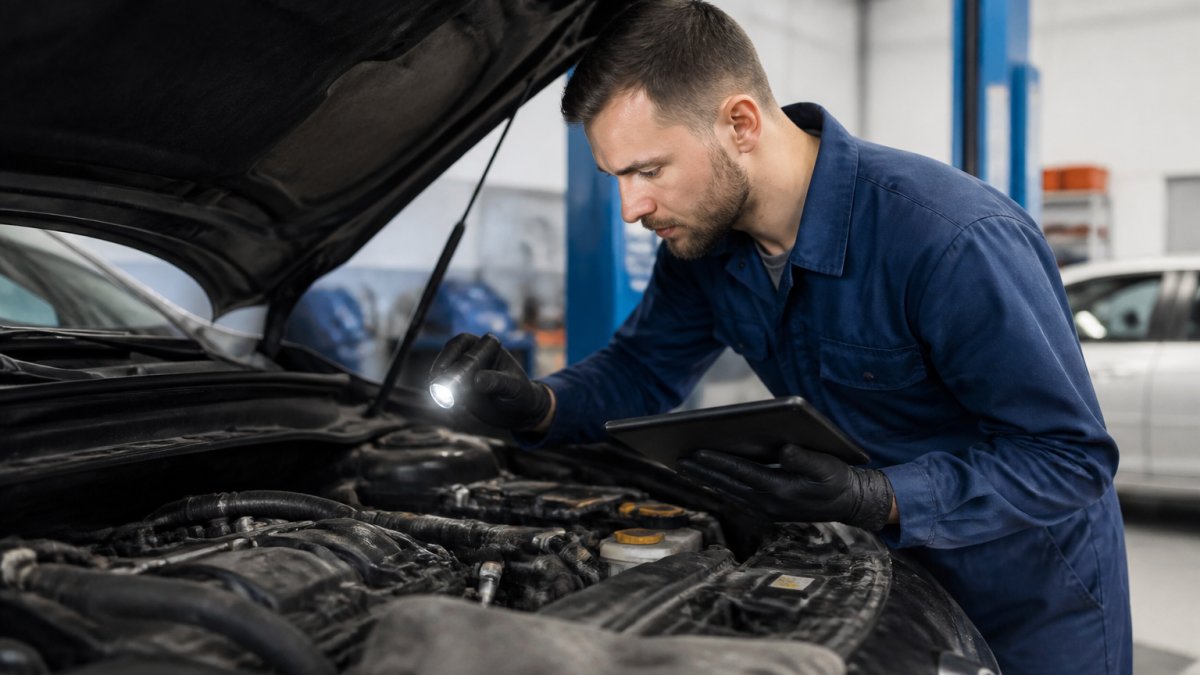
A Carfax report combined with your own verification is powerful, but a professional pre-purchase inspection by a Red-Seal certified mechanic or independent shop is the gold standard. A mechanic can identify:
- Hidden mechanical problems not visible to the untrained eye.
- Structural damage or frame bending that affects safety.
- Fluid leaks, worn components, and maintenance needs.
- Whether repairs were done correctly and to manufacturer standards.
The cost of an inspection ($150-$400) is minimal compared to the cost of buying a vehicle with hidden problems. If the seller refuses to allow an inspection, that's a major warning sign.
Verification vs. Vehicle History Report: Know the Difference
Many people use the terms interchangeably, but there's an important distinction. A vehicle history report is the document itself, the compiled record of accidents, registrations, and service. Carfax verification is the act of reviewing that report and confirming its details match the actual vehicle.
Verification means you've read the report, understood what it says, and checked key facts against the vehicle itself. You've confirmed the VIN matches, the color is correct, the mileage aligns with the odometer, and the accident history makes sense given the vehicle's condition.
Simply having a report isn't enough. Verification requires active comparison. Check that the current mileage on the vehicle matches the final odometer reading on the report. Verify that the color listed matches the vehicle in front of you. Confirm that any reported damage is consistent with what you see.
This verification step is where many buyers skip ahead and later regret it. Taking time to cross-check details protects you from title washing, odometer fraud, and misrepresented vehicles.
Using Carfax Verification to Make Your Purchase Decision
A clean Carfax report should give you confidence, but it shouldn't be your only factor. Use verification results as part of a complete evaluation process.
Start with the report. If there are major red flags, salvage title, multiple accidents, open recalls, you may want to walk away. If the report is clean but you have concerns about the vehicle's condition, dig deeper with a pre-purchase inspection.
At Automaxx, every vehicle comes fully certified and Carfax-verified. Our team reviews each report thoroughly, and our Red-Seal technicians inspect every vehicle before it reaches the showroom.
Consider the vehicle's age, mileage, and maintenance history together. A 10-year-old vehicle with regular service records and no accidents is often a better choice than a newer car with a spotty history. Mileage matters, but so does how that mileage was accumulated.
Ask yourself: Does the damage history match the vehicle's current condition? Are there unexplained gaps in service records? Do the registration locations make sense? These questions help you interpret what the report actually means for this specific vehicle.
Understanding what is carfax verification for cars puts you in control of your purchase decision. Ready to find your next vehicle with confidence? VIEW INVENTORY and discover why Alberta buyers trust Automaxx for transparent, verified used vehicles.
Frequently Asked Questions
How do I verify a Carfax report for a used vehicle?
To verify a Carfax report, obtain the vehicle identification number (VIN) from the vehicle or seller, visit Carfax's website, enter the VIN, and review the complete vehicle history report. Cross-check key details like previous registrations, accident history, and mileage against the vehicle itself during a test drive and physical inspection. Ask the seller for maintenance records and get a pre-purchase inspection from a Red-Seal technician to confirm the report's accuracy and catch any undisclosed issues.
What are the main limitations of a Carfax report?
Carfax reports rely on data from insurance companies, government records, and service facilities, so not all accidents or repairs are reported, especially private or out-of-province repairs. Minor damage, regular maintenance, and incidents without insurance claims often don't appear. Reporting delays mean recent events may take weeks to show up. A Carfax report is a valuable tool but should be combined with a physical inspection, test drive, and mechanic's assessment to get the full picture of a vehicle's condition.
Does a Carfax report show all open recalls for a vehicle?
A Carfax report includes unfixed safety recalls registered with government authorities, but it may not capture every recall immediately if it was recently issued. To ensure you have the most current recall information, cross-reference the report with government safety databases and contact a Red-Seal technician. They can verify whether recalls have been addressed and identify any outstanding safety issues that need attention before or after purchase.
Should I worry about minor damage listed on a Carfax report?
Minor damage alone doesn't disqualify a vehicle, but it's worth investigating. Ask the seller for repair records and have a Red-Seal technician inspect the damaged area to confirm repairs were done properly and no structural issues remain. Multiple incidents or patterns of damage are more concerning than a single minor incident. Consider how the damage affects the vehicle's long-term reliability and resale value before making your decision.